


Restoring Hope: How to Re-Engage Students Who Feel Defeated
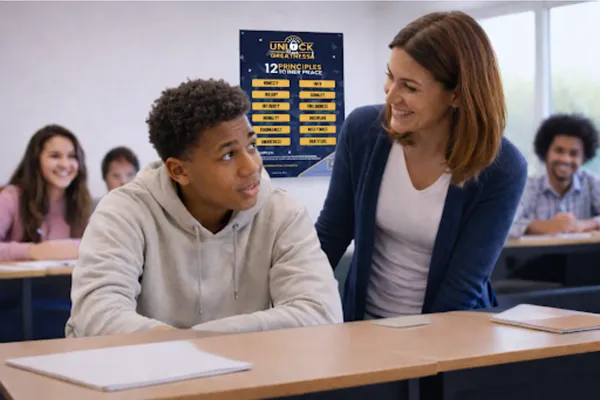
You know that student. The one who walks through your door with shoulders slumped, eyes avoiding yours, already checked out before first period even starts. Maybe they've stopped turning in assignments. Maybe they're absent more than present. Maybe they sit in the back, hood up, waiting for the bell like it's a prison release.
Here's what most people get wrong: they assume this student has given up because they don't care. But the truth? They've often stopped trying because they've lost something far more essential than motivation.
They've lost hope.
And here's the good news that might just change how you approach your entire classroom: hope is not a personality trait. It's a skill. And skills can be taught.
Why Hope Matters More Than You Think
Let's get real for a moment. When a student feels disconnected or discouraged, it doesn't just affect their mood: it affects everything. Attendance drops. Engagement flatlines. Graduation becomes a question mark instead of an expectation.
Research consistently shows that students who possess hope perform better academically, show up more consistently, and persist through challenges. But for students facing trauma or instability at home, hope often feels like a luxury they can't afford.
Think about it from their perspective. If every day feels like survival mode, why would you invest energy in a future that feels uncertain or even impossible?
This is where you come in. As educators and school leaders, you have the power to systematically rebuild belief, motivation, and future orientation in your students. Not through inspirational posters (though those don't hurt), but through intentional, trauma-informed classroom routines that meet students exactly where they are.

The Science of Hope: It's More Than Wishful Thinking
Hope isn't just "thinking positive." According to hope theory, it's actually made up of two components:
Pathways thinking: The ability to see multiple routes to reach a goal
Agency thinking: The belief that you can take action to pursue those routes
When students feel defeated, both of these break down. They can't see a way forward, and even if they could, they don't believe they have what it takes to get there.
Your job isn't to convince them everything will be okay. Your job is to help them rediscover their own capacity to navigate challenges and take meaningful steps: even small ones: toward something better.
That's building resilience in action.
Trauma-Informed Classroom Routines That Restore Hope
Re-engaging disconnected students starts with creating an environment where they feel safe enough to try again. Here's how to make that happen:
1. Normalize Struggle and Failure
Students who feel defeated often believe they're the only ones struggling. They see their peers succeeding and assume something is fundamentally wrong with them.
Flip the script. Create classroom culture where failure is treated as a normal, even celebrated, part of learning. Some educators use an "Epic Fail" sharing time where students discuss setbacks openly and support each other through them.
When you model your own frustration management: sharing how you take deep breaths, ask for help, or step away when overwhelmed: you show students that struggle isn't a sign of weakness. It's universal.
2. Build in Daily Affirmations
This might sound simple, but spending just 2-3 minutes each morning on affirmations can shift how students see themselves. Morning meetings are perfect for this.
The key is consistency. Over time, students begin internalizing messages about their own value and capability. They start believing they belong in your classroom: and that their future matters.
3. Conference One-on-One About Growth Mindset
Pull students aside for individual conversations. Not to lecture: to listen. Ask what's happening without judgment. Then introduce growth mindset concepts in a way that feels personal, not preachy.
Help them understand that they may not be able to complete certain tasks independently yet, but with continued effort, they will. That three-letter word: yet: carries enormous power when students internalize it.
4. Create Structured Emotional Breaks
For students struggling with emotional regulation, have a plan ready. Decide together ahead of time whether they need 5, 10, or 15 minutes to rejoin class when emotions run high.
Even more important? Teach your entire class to welcome students back with kindness rather than overwhelming questions. This small shift creates psychological safety that allows vulnerable students to take risks again.

The Five Elements That Combat Disengagement
Research points to five classroom elements that significantly reduce boredom and help with re-engaging disconnected students:
Control: Give students voice in how they demonstrate learning
Choice: Offer multiple pathways to meet objectives
Challenge: Keep tasks in the sweet spot: not too easy, not impossible
Complexity: Design open-ended activities that invite creative problem-solving
Caring: Build relationships that help students feel genuinely valued
Notice what these have in common? They all restore agency. They all say to the student: You matter. Your input matters. Your way of doing things matters.
When students feel like passive recipients of education, hope withers. When they become active participants, it grows.
Involve Students in the Solution
Here's something that often gets overlooked: ask students directly what's working and what isn't.
Use surveys, focus groups, or informal classroom conversations. When students participate in solving their own disengagement, they reclaim ownership of their learning journey. They shift from feeling like problems to be fixed to partners in creating solutions.
This is particularly powerful for students who've experienced trauma or instability. Many have had control stripped away in other areas of life. Giving them agency in the classroom can be profoundly healing.

Making Learning Meaningful
Disconnected students often ask (silently or out loud): Why does any of this matter?
It's a fair question. And they deserve an answer.
Connect learning to real-world applications. Engage with their interests. When curiosity drives learning, retention skyrockets: and so does motivation.
Use brain breaks not as complete escapes from learning, but as opportunities for students to process and discuss what they've learned in pairs or small groups. This builds community while reinforcing content.
For students exploring their future paths, resources like our guide on transforming passion into profit can help them see concrete possibilities ahead.
The Ripple Effect of Restored Hope
When you invest in building hope, the outcomes extend far beyond improved attendance and increased motivation: though you'll certainly see both.
Students who develop hope become more resilient in the face of setbacks. They're more likely to graduate. They're more likely to pursue post-secondary opportunities. And perhaps most importantly, they're more likely to believe they have a future worth working toward.
That belief changes everything.
Your Next Step
You don't have to overhaul your entire classroom tomorrow. Start with one strategy. Maybe it's a daily affirmation practice. Maybe it's pulling aside that one student for a growth mindset conversation. Maybe it's creating an emotional break protocol.
Small, consistent actions compound over time. That's how hope is rebuilt: not in grand gestures, but in daily choices that communicate: I see you. I believe in you. And I'm not giving up on you.
Because here's the truth we know at Unlock Your Greatness: every student has potential waiting to be unlocked. Sometimes they just need someone to help them find the key.
What's one strategy you'll try this week to restore hope in a disconnected student? Start there. Watch what happens. And remember: the fact that you're reading this article means you already care enough to make a difference.
That matters more than you know.